If you exit the site, your Wishlist will not be saved.

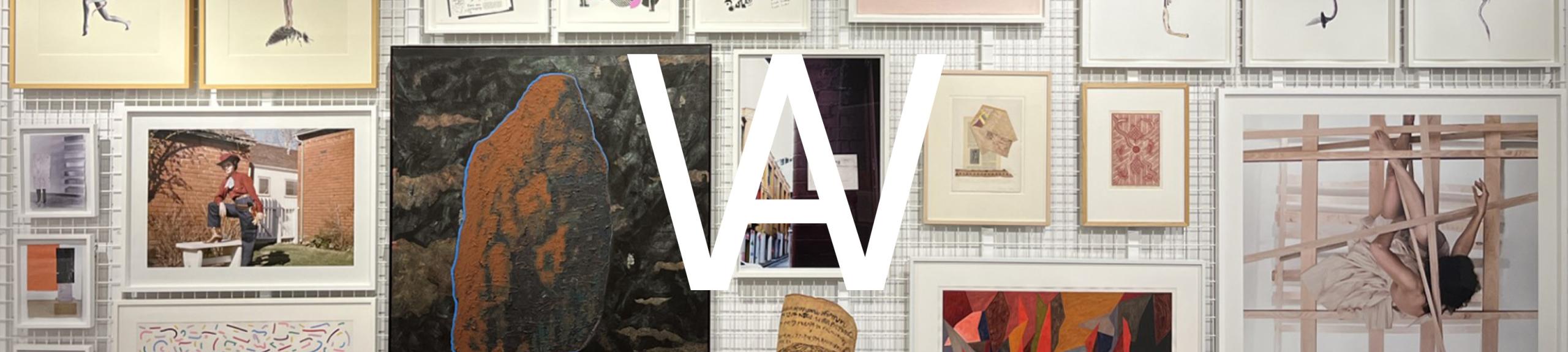
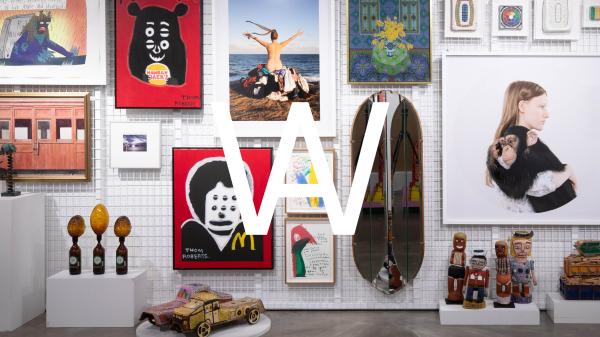
Installation view, 'Difficult Women: Art, Activism and Identity. Women artists from the Artbank collection' exhibition curated by Artbank, Artbank Window, Sydney, 2026.
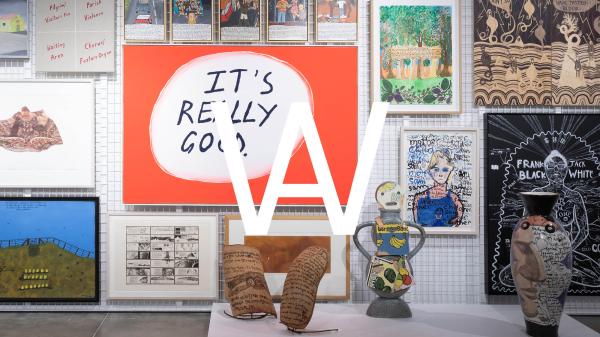
To celebrate International Women’s Day Artbank presents – Difficult Women: Art, Activism and Identity. Women artists from the Artbank collection.
Artbank Window is viewable from Young Street 24 hours every day. Gallery open Tuesday – Friday 10am – 4pm or by appointment.
Featured Artists:
Vivienne Binns, Sarah Contos, Isabel Davies, Lesley Dumbrell, Cherine Fahd, Elizabeth Gower, Kunmanara (Nyurpaya Kaika) Burton, Deborah Kelly, Kate Just, Elvis Richardson, Julie Rrap, Kunmanara (Mary) Pan, Banduk Marika, Elizabeth Newman and Jenny Watson.
To celebrate International Women’s Day Artbank presents – Difficult Women: Art, Activism and Identity. Women artists from the Artbank collection.
The word ‘difficult’ has a long and gendered history as a term used to describe women on the forefront of change. This exhibition celebrates some of the trailblazing, groundbreaking, ceiling-defying, changemaking, boundary pushing, unconventional, pioneering and history writing, Australian women artists from the Artbank collection, who through their arts practice, have sought to drive social and political change.
Artbank has over 11,000 artworks and has always been a strong supporter of women artists with over 40% of the collection by women artists. As a leasing program many of the trailblazers from the collection have artworks out on loan in offices and homes nationwide, making waves in new places. Here we have just a small sample, and a nod to those before and those to come.
The artworks in Difficult Women explore art as activism and a voice to define one’s own identity and place in the world. They also happen to be some of my favourite artists in the collection – from Vivienne Binns, Lesley Dumbrell, Elizabeth Gower and Bonita Ely who were all key protagonists in the Australian feminist art movement, to Julie Rrap and Jenny Watson whose images of self, defied cultural expectations and created unique visual languages that speak as loudly today as ever. As does the graphic language constructed by Sarah Contos through her recurring use of colour, pop culture imagery and installation, prompting experiential and collective, emotional connection. Making use of subtle humour to subvert the male-dominated art world, Deborah Kelly and Kate Just courageously continue to tackle social issues including gender-based violence, freedom, queer identity and political protest. Humour and cold hard numbers are the tool of Countess.Report led by Elvis Richardson, Miranda Samuels, Amy Previch and Shevaun Wright – Elvis’s own art practice concerned with recontextualising images to consider ideas about gender equality, success and failure, memory and truth.
Elizabeth Newman in her lifetime, was a constant pulsing force in questioning, pressing and reshaping concepts of art. Her recurring rectangle ‘self portrait’ motif appears across this small series of works, as it does throughout her career, pressing compositional tensions against gestures of subjectivity.
The resilience of First Nations people in Australia is without question due to an unbreakable balance of traditional knowledge, innovation and survival. Kunmanara (Nyurpaya Kaika) Burton and Kunmanara (Mary) Pan were both formidable forces, who throughout their lives continued strength in culture and ensured knowledge of country and culture was passed on. I have a personal connection to these two powerful leaders, working with them for over 5 years, I saw their devotion to teaching and their ongoing fight to protect their community and way of life. Their collaborative work Piti tjukurpa, 2018 is a defiant record of this strength and a celebration of Pitjantjatjara language and knowledge.
Banduk Mamburra Wananamba Marika AO (1954–2021) was the first woman in her family to draw her father’s totem and stories – a leader across cultures and generations, committing herself to the pursuit of copyright protection for Aboriginal artists.
Art has a profound ability to sidestep the dominant narrative, encouraging new empathies and sparking new dialogue and ways of thinking. The urge to question, the compulsion to create and the desire to define one’s own place in the world are all cultivators of change. Change is difficult but without it where would we be!? So, as a celebration of International Women’s Day – thank you to the ‘difficult’ women of the world.